

A gas stove is a must-have item for kitchen decoration, and the most difficult part is choosing the panel material for the gas stove. Many friends may struggle with whether to choose stainless steel or glass material for the gas stove panel. Next, we at Puda Gas Stove Manufacturer will analyze it for everyone.
The biggest feature of stainless steel gas stoves is that they are not easily damaged. When you use them with high intensity and encounter inevitable bumps and impacts, stainless steel gas stoves can withstand them! In addition, high temperature resistance is also an advantage of stainless steel gas stoves. When we use gas stoves, the temperature on the stove surface is definitely very high, but no matter how high your temperature is, stainless steel can withstand it without deformation affecting its appearance. But the disadvantages of stainless steel gas stoves are also very obvious. Firstly, stainless steel panels are prone to corrosion, exacerbating the already unappealing appearance of the panels. Secondly, once scratched by hard objects (steel wire balls), stainless steel panels may become particularly noticeable, and even using a slightly harder cloth may cause them to lose their luster.
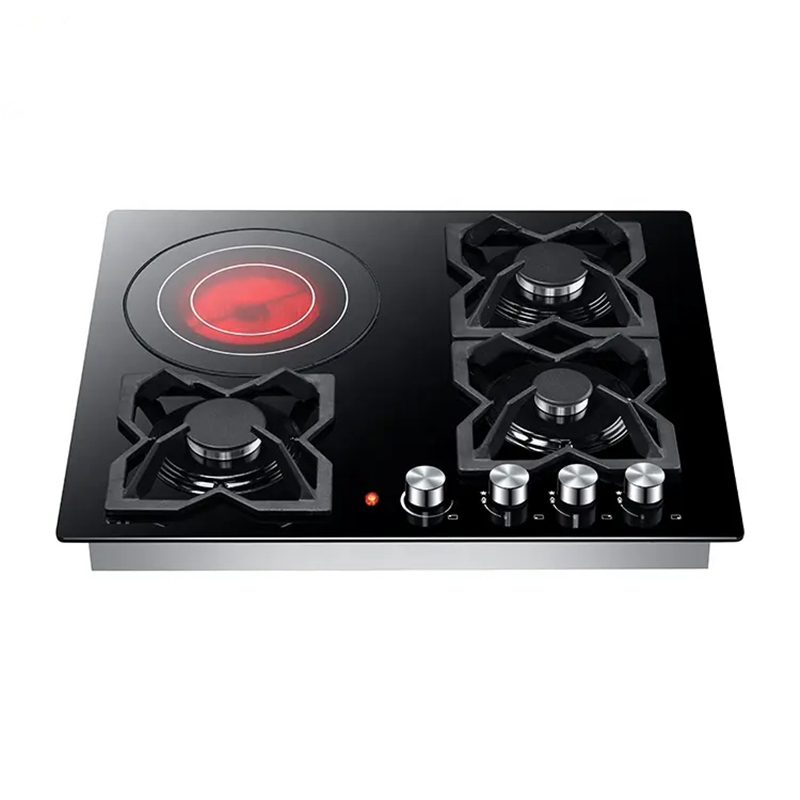
The biggest feature of a glass gas stove is its good appearance. With a variety of glass panels, you can have more choices for pursuing a beautiful kitchen. Moreover, its corrosion resistance is very high, and the oil stains and dishwashing detergent that are usually dripped will not have any impact on the glass gas stove. If the surface of the glass gas stove becomes dirty, it can be easily cleaned with a cloth! If estimated under normal usage conditions, the service life of a glass gas stove is higher than that of a stainless steel gas stove because its countertop is made of tempered glass, which has a stronger ability to withstand damage and corrosion than stainless steel! But it also has a major drawback, tempered glass has relatively weak heat resistance, improper use, and prolonged exposure to high temperatures may lead to cracking or even explosion. Although the self explosion rate of regular tempered glass gas stoves is currently 0.3%, the probability is very low, but there is still a certain degree of risk.
In summary, the selection of different versions of gas stoves needs to be based on your personal dietary habits and the aesthetic design of the kitchen, and choose the gas stove that suits you. We also have outstanding products in the industry for both household gas stoves. Additionally, it is important to note that regardless of whether you choose a tempered glass gas stove or a stainless steel gas stove, the applicable gas source should be carefully considered as liquefied gas and natural gas stoves are different. Also, it is important to choose a gas stove with a 3C certification mark and equipped with a flameout protection device, as it can effectively ensure safety.